 Member of Morris Group International
Taming the Flow: The Importance of Pressure Reducing Valves in Plumbing Engineering
Taming the Flow: The Importance of Pressure Reducing Valves in Plumbing Engineering
Pressure reducing valves (PRVs) play a critical role in plumbing systems by controlling the water pressure and preventing damage to pipes, fixtures, and appliances. These valves are essential for ensuring safe and efficient operation of plumbing systems, yet they are often overlooked or undervalued. This article will explore the importance of PRVs in plumbing engineering, their benefits, and best practices for selecting, installing, and maintaining them.
Pressure reducing valves, also known as pressure regulating valves, are mechanical devices that control the pressure of fluids in pipelines or systems by reducing the input pressure to a lower output pressure. These valves are commonly used in various applications such as steam, water, and gas systems and are designed to maintain a constant and safe pressure level. For our purposes here, we will be talking only about pressure reducing valves used for commercial and institutional plumbing systems.
How do PRVs work?
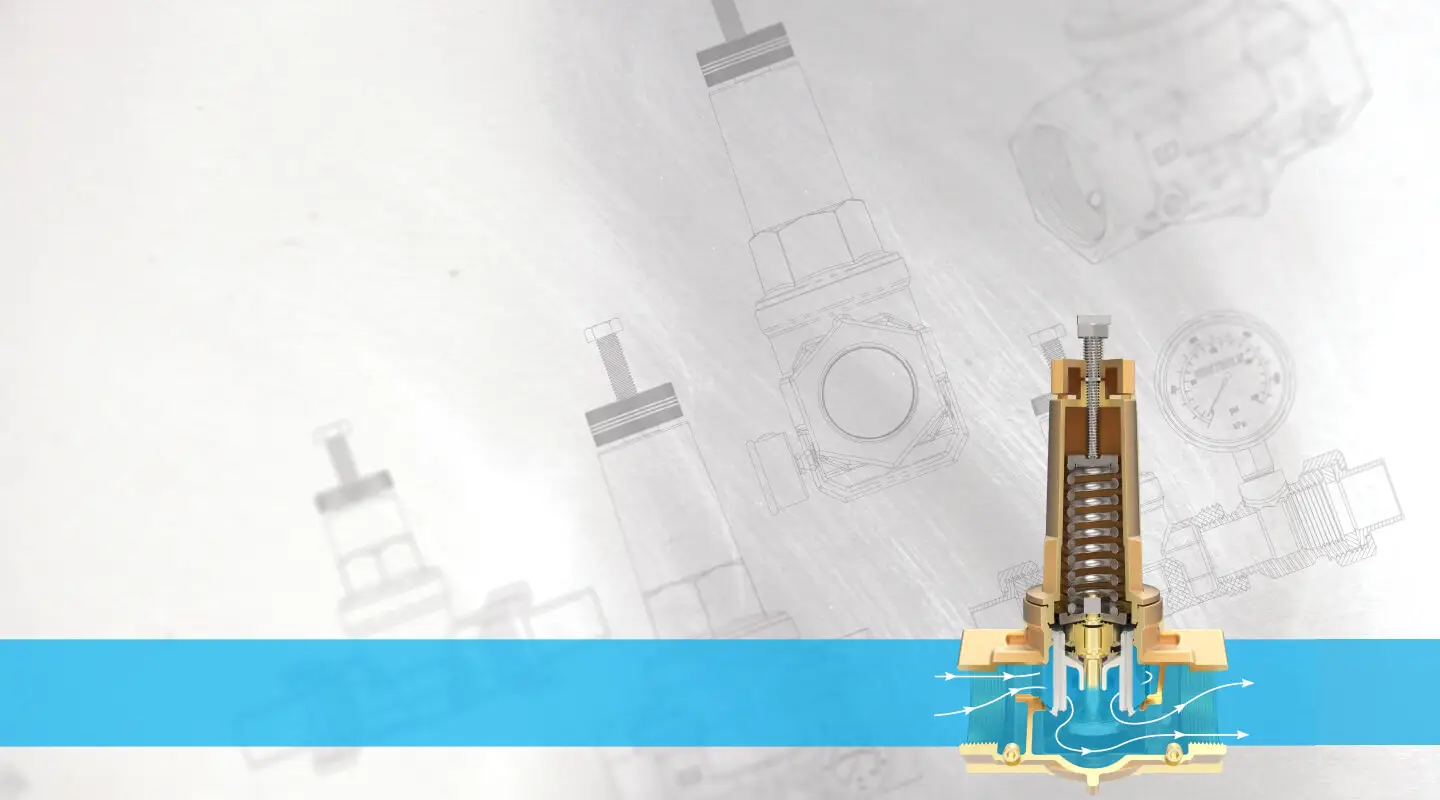
The pressure reducing valve works by adjusting the flow of water through the valve based on the input and output pressure differential. The valve has a diaphragm or a piston that senses the upstream pressure and adjusts the position of the valve outlet to restrict the flow of water, thus reducing the downstream pressure. This process is often achieved using a spring-loaded mechanism that balances the downstream pressure against the spring tension, allowing the valve to open or close accordingly.
One of the key benefits of using pressure reducing valves is preventing damage or failure of downstream equipment, such as pipes, pumps, fixtures, appliances and other components sensitive to pressure fluctuations. Pressure reducing valves can also be used to improve system efficiency by reducing the energy needed to maintain a constant pressure level, which can result in cost savings and increased reliability.
Overall, pressure reducing valves play a critical role in regulating water pressure in various industrial and commercial applications, helping to ensure the safe and efficient operation of pipes and equipment.
Why are pressure reducing valves necessary?
Pressure reducing valves (PRVs) are commonly used in plumbing systems to regulate and control the pressure of water entering a building or a specific part of a plumbing system. Here are some reasons why PRVs are so important:
Protects plumbing components
High water pressure can cause damage to plumbing components, such as fixtures, pipes, and appliances. PRVs reduce the incoming water pressure to a safe and consistent level, preventing damage and extending the life of plumbing components.
Saves Water
High water pressure can cause water to be wasted by flowing out of fixtures faster than necessary. By reducing the water pressure, PRVs can help conserve water and reduce water bills.
Improves efficiency
High water pressure can cause appliances such as dishwashers and washing machines to use more energy than necessary. By reducing the water pressure, PRVs can help improve the efficiency of these appliances, resulting in cost savings and reduced energy consumption.
Prevents leaks and bursts
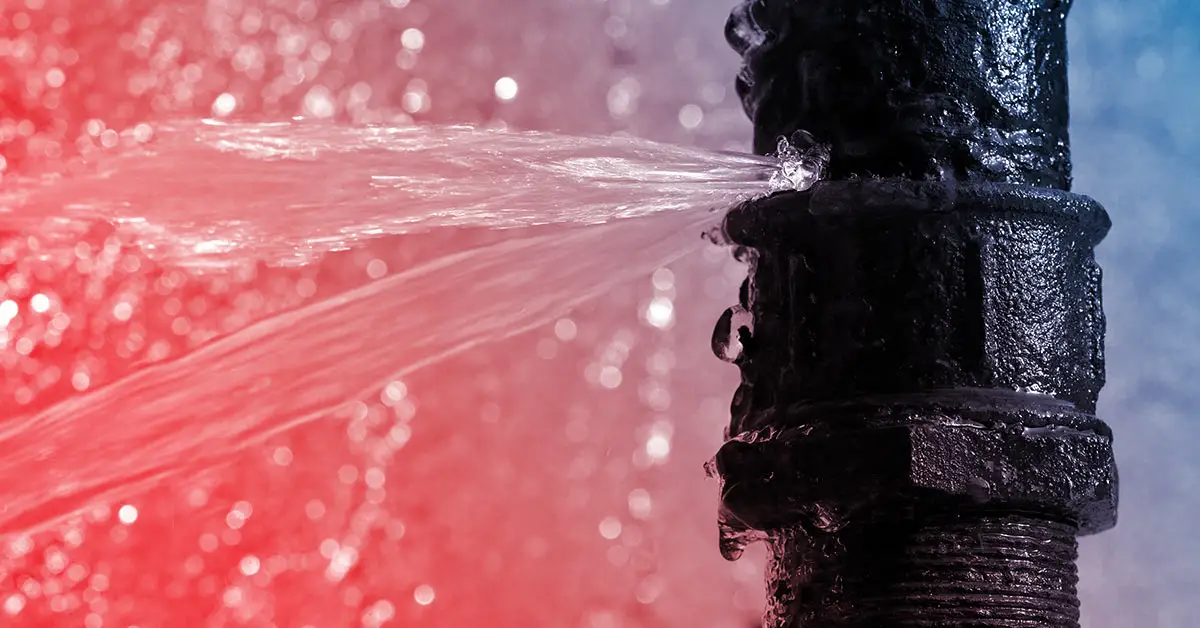
Excessive water pressure can cause pipes to burst, leading to costly repairs and water damage. PRVs can help prevent leaks and bursts by regulating the water pressure within safe limits.
Provides consistent water pressure
PRVs can ensure that the water pressure remains consistent throughout the plumbing system, regardless of fluctuations in the municipal water supply. This can improve the performance of plumbing fixtures and appliances and provide a more comfortable and consistent water flow.
Pressure reducing valves are essential in plumbing systems to regulate the water pressure, protect fixtures and appliances, conserve water, improve efficiency, and prevent leaks and bursts.
What are the benefits of PRVs to a
commercial plumbing engineer or building owner?
Commercial plumbers, engineers, and their clients have more significant concerns, and PRVs have specific benefits in commercial settings.
Here are a few points to consider:
Cost savings
Commercial buildings typically have larger plumbing systems and higher water demand, which can result in higher water bills. Pressure reducing valves can help reduce water waste and lower costs.
Code compliance
Commercial buildings are subject to various codes and regulations related to plumbing systems, including requirements for pressure reducing valves. Plumbing engineers must stay updated with the latest codes and standards to ensure compliance.
Safety and liability
High water pressure can create safety hazards, such as burst pipes and scalding water, resulting in liability issues for building owners and managers. Pressure reducing valves can help mitigate these risks and ensure a safe environment for building occupants.
Performance and reliability
Commercial buildings often have high-demand plumbing fixtures and appliances, such as industrial-sized boilers and washing machines. Pressure reducing valves can help ensure consistent water pressure and reliable operation of these systems.
Maintenance and service
Commercial plumbing systems require regular maintenance and service to ensure optimal performance and longevity. Pressure reducing valves should be inspected and maintained regularly to prevent issues such as leaks and clogs.
These benefits and considerations will help plumbing engineers understand the importance of pressure reducing valves in commercial plumbing systems. As a result, they can make informed decisions about their selection, installation, and maintenance and explain the importance of PRVs to their clients.

Use case: Healthcare applications
– beyond plumbing
Pressure reducing valves (PRVs) are essential components of plumbing systems in healthcare facilities, helping to regulate water pressure and ensure safe and reliable operation of equipment and systems. Here are a few examples of how they are used.
Medical gas systems
PRVs are used in medical gas systems to regulate the pressure of oxygen, nitrogen, and other gases used in patient care. These systems require precise pressure control to ensure safe and effective delivery of gases to patients.
Water supply systems
PRVs are used in healthcare facility water supply systems to regulate the pressure of incoming water from the municipal supply. They help prevent overpressure conditions that can cause leaks and damage to equipment and infrastructure.
Fire suppression systems
PRVs are used in fire suppression systems to regulate the pressure of water delivered to sprinkler heads and other fire suppression equipment. They help ensure that water is delivered at the proper pressure to control and extinguish fires.
Medical equipment
PRVs are also used in medical equipment such as autoclaves and sterilizers to regulate the pressure of steam used in the sterilization process. Precise pressure control is critical to ensure effective sterilization of medical equipment and prevent contamination.
In addition to these examples, PRVs are used in various other applications in healthcare facilities, including HVAC systems, plumbing fixtures, and laboratory equipment. Overall, pressure reducing valves play a critical role in maintaining safe and reliable operation of plumbing systems and equipment in healthcare facilities, helping to ensure the highest standards of patient care and safety.
Use case: Industrial applications
- beyond plumbing
Pressure reducing valves (PRVs) are commonly used in industrial applications to control and regulate fluid pressure.
Here are a few examples of how they are used:
Manufacturing processes
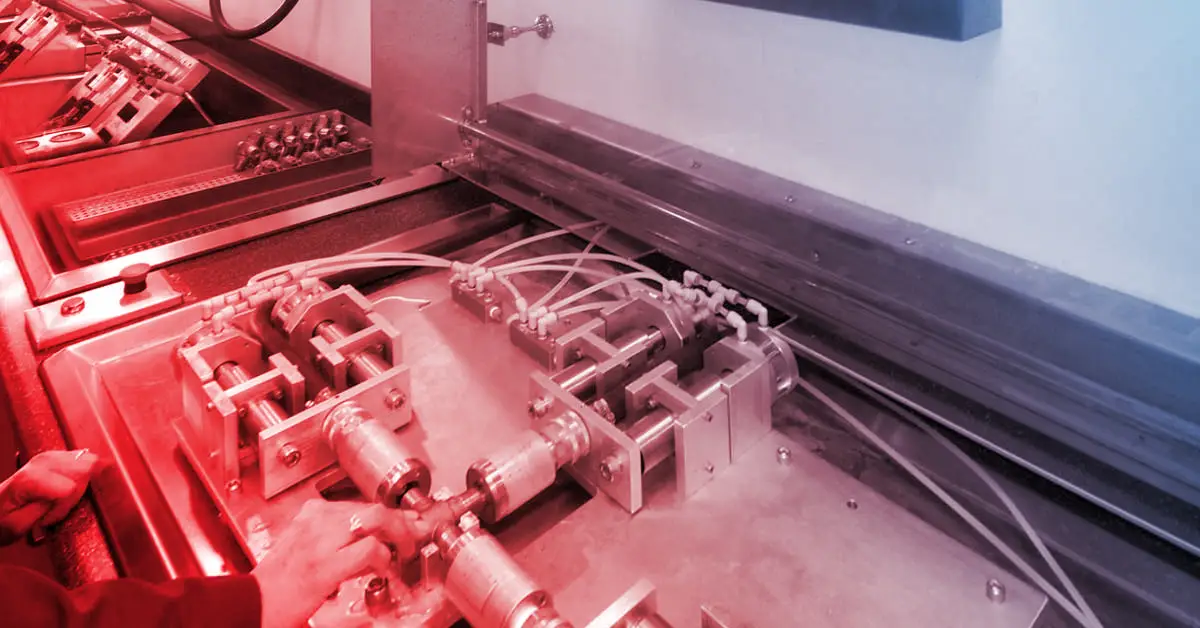
In industrial manufacturing, fluid pressure must often be carefully controlled to ensure consistent and reliable operation of equipment and machinery. PRVs can regulate the pressure of fluids such as steam, air, water, and gas in various stages of the manufacturing process, including heating, cooling, and pressurization.
Oil and gas industry
In the oil and gas industry, PRVs control the pressure of fluids in pipelines, valves, and other equipment. They help prevent overpressure conditions that cause leaks, equipment failure, and safety hazards. PRVs are also used to regulate the pressure of natural gas in distribution systems to ensure safe and efficient delivery to customers.
Power generation
PRVs are essential components of power generation systems such as steam turbines and boilers. They regulate the pressure and flow of steam and other fluids to ensure safe and efficient operation of these systems. PRVs also help protect against overpressure conditions that can cause equipment failure and safety hazards.
HVAC systems
PRVs are commonly used in heating, ventilation, and air conditioning (HVAC) systems to regulate the flow and pressure of water and other fluids. They help maintain consistent temperatures and pressure levels throughout the system, improve energy efficiency, and prevent leaks and equipment damage.
Overall, pressure reducing valves are critical components of many industrial processes, helping to ensure safe, reliable, and efficient operation of equipment and machinery. The specific applications and requirements will vary depending on the industry and the process involved.
How high is the municipal water service pressure
coming into a building?
The water pressure typically coming in from a municipal water service can vary depending on the location, the time of day, and the demand for water in the area. However, the average water pressure provided by most municipal water services in the United States ranges between 40 and 80 psi (pounds per square inch), with a typical range of 60 to 75 psi.
In some cases, the water pressure may exceed the safe limit of 80 psi, which can cause damage to plumbing components and appliances and even lead to leaks and bursts. This is why pressure reducing valves (PRVs) are often required in buildings to regulate the water pressure and protect the plumbing system. It is recommended to have a licensed plumber install a PRV if the incoming water pressure is consistently above 80 psi.
At what PSI should pressure reducing valves be set?
The setting of pressure reducing valves (PRVs) in plumbing systems can vary depending on the specific application, local codes, and the manufacturer's recommendations. However, plumbing engineers typically set PRVs to reduce the incoming water pressure to 50 to 60 psi at the building or the point of use.
This pressure range is considered safe and sufficient for most plumbing fixtures and appliances while providing good water flow and pressure for daily use. However, it is essential to note that if the incoming water pressure is already low, setting the PRV to reduce the pressure further may result in poor water flow and reduced performance of plumbing fixtures.
It is recommended that the installation and setting of PRVs should be done by a licensed plumber or a plumbing engineer, who can assess the specific needs of the plumbing system and determine the appropriate pressure setting for the PRV.
Where in a plumbing system should PRVs be placed?
Pressure reducing valves (PRVs) can be installed in various locations in a plumbing system to regulate and control the water pressure. Here are some typical locations where PRVs are installed.
At the main water supply
PRVs can be installed at the main water supply line to regulate the incoming water pressure before it enters the building. This is a common location for PRVs in residential and commercial buildings.
At the point of use
PRVs can also be installed at the point of use, such as under a sink or behind a toilet, to regulate the water pressure for a specific fixture or appliance. This can be useful when the incoming water pressure is too high for a particular fixture or appliance.
In a branch line
PRVs can be installed in a branch line to regulate the water pressure for a specific area or zone in a building. This can be useful when significant pressure differences exist between different parts of the plumbing system.
In a fire protection system
PRVs can be installed in fire protection systems to regulate the water pressure and ensure that the system operates correctly during a fire emergency.
It is important to note that the installation and location of PRVs should be done by a licensed plumber or a plumbing engineer, who can assess the specific needs of the plumbing system and determine the appropriate location and setting for the PRV.
Why are PRVs part of energy efficiency?
Pressure reducing valves (PRVs) can be energy-efficient in two ways:
Reduced energy consumption of appliances
High water pressure can cause appliances, such as washing machines and dishwashers, to use more energy than necessary. By lowering the water pressure, PRVs can help improve the efficiency of these appliances, resulting in cost savings and reduced energy consumption.
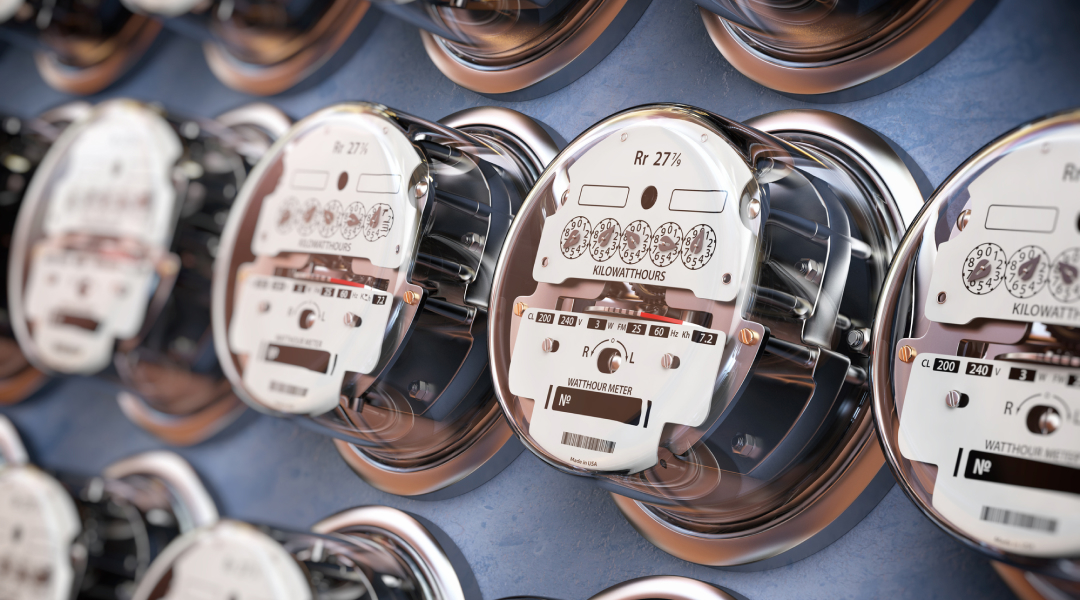
When the water pressure is too high, appliances use more energy to pump water and heat it to the desired temperature. This results in higher energy bills and increased appliance wear and tear. By reducing the water pressure with a PRV, the appliances can operate more efficiently, using less energy and reducing energy bills.
Energy efficiency
Reduced pump energy consumption: Municipal water systems use pumps to distribute water throughout the city. When water pressure is high, the pumps must work harder to maintain that pressure. By reducing the water pressure with PRVs, the pumps can work less, reducing energy consumption and lowering utility costs.
Additionally, high water pressure can cause leaks and bursts in the municipal water system, leading to the need for additional pumping to compensate for the lost water. Reducing the water pressure with PRVs minimizes the likelihood of leaks and bursts, resulting in less need for additional pumping and further energy savings.
Pressure reducing valves can improve the energy efficiency of appliances and reduce pump energy consumption, resulting in cost savings and reduced energy consumption.

How do PRVs save water?
Pressure reducing valves (PRVs) can save water in several ways:
Reducing water waste
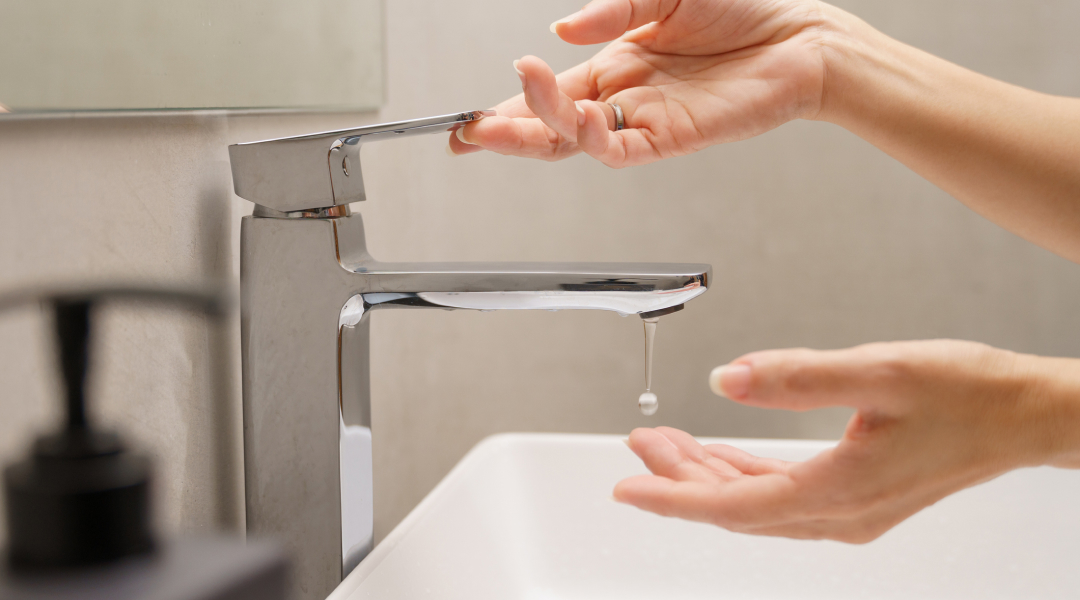
High water pressure can cause water to be wasted by flowing out of fixtures faster than necessary. This can result in excessive water use and higher water bills. By reducing the water pressure with PRVs, the flow rate is reduced to a more efficient level, preventing water waste and reducing water bills.
Preventing leaks and bursts
High water pressure can cause leaks and bursts in plumbing systems, leading to water waste and increased water bills. Reducing the water pressure with PRVs minimizes the likelihood of leaks and bursts, preventing water waste and lowering water bills.
Conserving water resources
High water pressure can cause excessive water use, increasing demand for water resources. By reducing the water pressure with PRVs, water consumption is reduced, helping to conserve water resources and promote sustainable water use.
Promoting water conservation
By reducing the water pressure with PRVs, consumers are encouraged to use water more efficiently. This can lead to a culture of water conservation and promote sustainable water use practices.
Pressure reducing valves can save water by reducing water waste, preventing leaks and bursts, conserving water resources, and promoting water conservation.
Use Case: 14-story hotel
The amount of water savings a 14-story hotel can achieve with pressure reducing valves will depend on various factors such as the size of the building, the number of guest rooms, the occupancy rate, and the plumbing fixtures and appliances used.
However, as a rule, installing pressure reducing valves in a commercial building can help reduce water consumption by 20-50%. For example, if a hotel without pressure reducing valves uses 500,000 gallons of water per month, installing PRVs could reduce water consumption by up to 250,000 gallons per month.
Assuming an average hotel uses around 150 gallons of water per day per room, a 14-story hotel with 200 rooms could save over 9,000 gallons of water per day or 270,000 gallons per month by installing pressure reducing valves.
These are rough estimates, and the actual water savings will depend on various factors, as mentioned earlier. However, it is clear that pressure reducing valves can help hotels and other commercial buildings save a significant amount of water and reduce their environmental impact.
Are PRVs tested to ensure they work properly?
Pressure reducing valves (PRVs) are tested to ensure compliance with industry standards and regulatory requirements. Here are some common tests used to test PRVs:
Flow rate test
This test measures water flow rate through the valve at a specified pressure. The flow rate is compared to the manufacturer's specifications to ensure the valve operates within the specified range.
Pressure drop test
This test measures the pressure drop across the valve as water flows through it. The pressure drop is compared to the manufacturer's specifications to ensure the valve reduces the pressure to the desired level.
Pressure surge test
This test subjects the valve to a sudden increase in pressure to simulate a surge in the water supply. The valve is observed to ensure that it can withstand the surge without failing.
Leakage test
This test measures any water leakage through the valve when closed. The leakage is compared to the manufacturer's specifications to ensure it is within acceptable limits.
Endurance test
This test subjects the valve to repeated cycles of opening and closing to ensure that it can withstand the stresses of normal operation over an extended period.
In addition to these tests, PRVs may also be subject to certification by third-party organizations to ensure compliance with industry standards and regulatory requirement.
In summary, PRVs are tested through a series of tests such as flow rate, pressure drop, pressure surge, leakage, and endurance tests to ensure compliance with industry standards and regulatory requirements.
What else does a plumbing engineer need to know about PRVs?
Here are a few other things a plumbing engineer may need to know about pressure reducing valves:
Sizing
It is essential to correctly size the PRV to ensure that it can handle the plumbing system's flow rate and pressure requirements. An undersized valve may not be able to provide adequate pressure reduction, while an oversized valve may result in excessive pressure drop and reduced flow rates.
Maintenance
PRVs require periodic maintenance to ensure that they are operating correctly. This may include cleaning, lubrication, and replacement of worn parts. Regular maintenance can help prolong the valve's life and prevent costly repairs.
Location
PRVs should be installed in a location that is easily accessible for maintenance and inspection. They should also be protected from freezing temperatures and excessive heat.
Compatibility
PRVs should be selected based on their compatibility with the plumbing system and the type of water supply. For example, some valves may not be suitable for use with hot water, while others may not be compatible with certain types of water treatment systems.
Codes and standards
Plumbing engineers should be familiar with their region's applicable codes and standards for PRVs. These codes and standards may specify requirements for the valves' installation, testing, and maintenance.
In summary, plumbing engineers should consider sizing, maintenance, location, compatibility, and codes and standards when selecting and installing pressure reducing valves in a plumbing system.
What happens if PRVs are not installed or maintained correctly
If a pressure reducing valve (PRV) is not installed or maintained correctly, it can lead to several problems in the plumbing system, such as:
Water hammer
If the PRV is not installed or adjusted correctly, it can cause water hammer, which is a loud banging noise that occurs when a valve is closed suddenly. Water hammer can damage the plumbing system's pipes, fittings, and appliances.
Reduced flow rate
If the PRV is undersized or installed incorrectly, it may result in a reduced flow rate, which can cause poor performance of plumbing fixtures and appliances.
Excessive pressure drop
If the PRV is oversized or installed incorrectly, it may result in an excessive pressure drop, which can cause poor performance of plumbing fixtures and appliances and even damage them.
Water waste
If the PRV is not maintained correctly, it may be unable to reduce the water pressure effectively, resulting in excessive water waste and higher water bills.
Safety hazards
If the PRV fails to function correctly, it can result in unsafe conditions, such as scalding water, leaks, and bursts in the plumbing system.
Suppose a plumbing engineer makes a mistake in selecting, installing, or maintaining a PRV. In that case, it can lead to several problems in the plumbing system, including water hammer, reduced flow rate, excessive pressure drop, water waste, and safety hazards.
So there you have it; pressure reducing valves are essential to modern plumbing systems, providing safe, efficient, and reliable control of water pressure. By selecting the correct valve, sizing it correctly, installing it properly, and maintaining it regularly, plumbing engineers can ensure that their systems operate at peak performance and comply with the latest codes and standards. As technology evolves, we expect to see more advanced and energy-efficient PRVs that help us conserve water and reduce our environmental impact. By staying informed and up-to-date, we can continue to innovate and improve the plumbing systems of tomorrow.