 Member of Morris Group International
The Magic of Mixing
The Magic of Mixing
How Thermostatic Mixing Valves Keep Water Safe and Comfortable
A Guide to Thermostatic Mixing Valves for Plumbing Engineers
As a plumbing engineer, understanding the importance of maintaining safe and consistent water temperatures in plumbing systems is crucial. One tool that can be used to achieve this goal is a thermostatic mixing valve (TMV).
TMVs mix hot and cold water to maintain a constant water temperature, which can help prevent scalding and burns, reduce water waste, and increase energy efficiency.
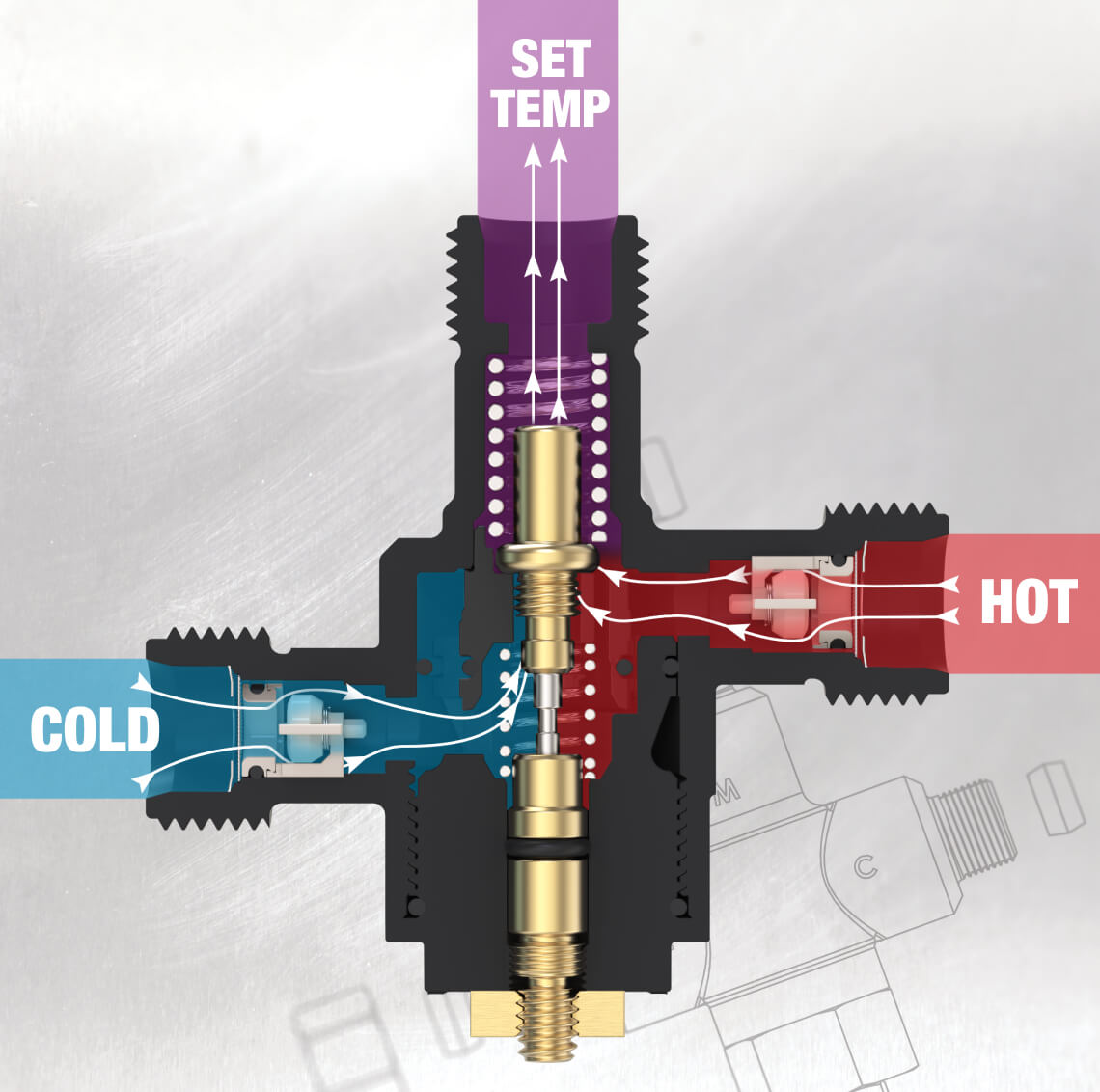
In this article, we will discuss the basics of thermostatic mixing valves. In addition, we will cover topics such as how TMVs work, where they are installed, the benefits of using TMVs, how they are tested for compliance, and what can happen if they are not installed or maintained properly. By the end of this article, readers will have a solid understanding of TMVs and how they can be used to help maintain safe and efficient plumbing systems.
Thermostatic mixing valves basics
Thermostatic mixing valves are used in plumbing and heating systems to control and maintain a consistent water temperature. They combine hot and cold water to achieve a desired temperature, which can be set and adjusted using a thermostatic control.
The basic components of a TMV include a hot water inlet, a cold water inlet, a mixed water outlet, and a thermostatic control mechanism. The thermostatic control mechanism contains a temperature sensor that measures the temperature of the mixed water and adjusts the mixing valve accordingly to maintain a constant temperature.
TMVs are used in various applications, such as showers, baths, and washbasins. They are vital in settings where water temperature regulation is critical for safety, such as hospitals and nursing homes. In these settings, TMVs can prevent scalding and thermal shock by ensuring that the water temperature does not exceed a safe level nor come out of the tap too cold.
Overall, TMVs are an essential component of plumbing and heating systems that provide reliable temperature control, enhance safety, and improve overall user comfort.
View TMV Products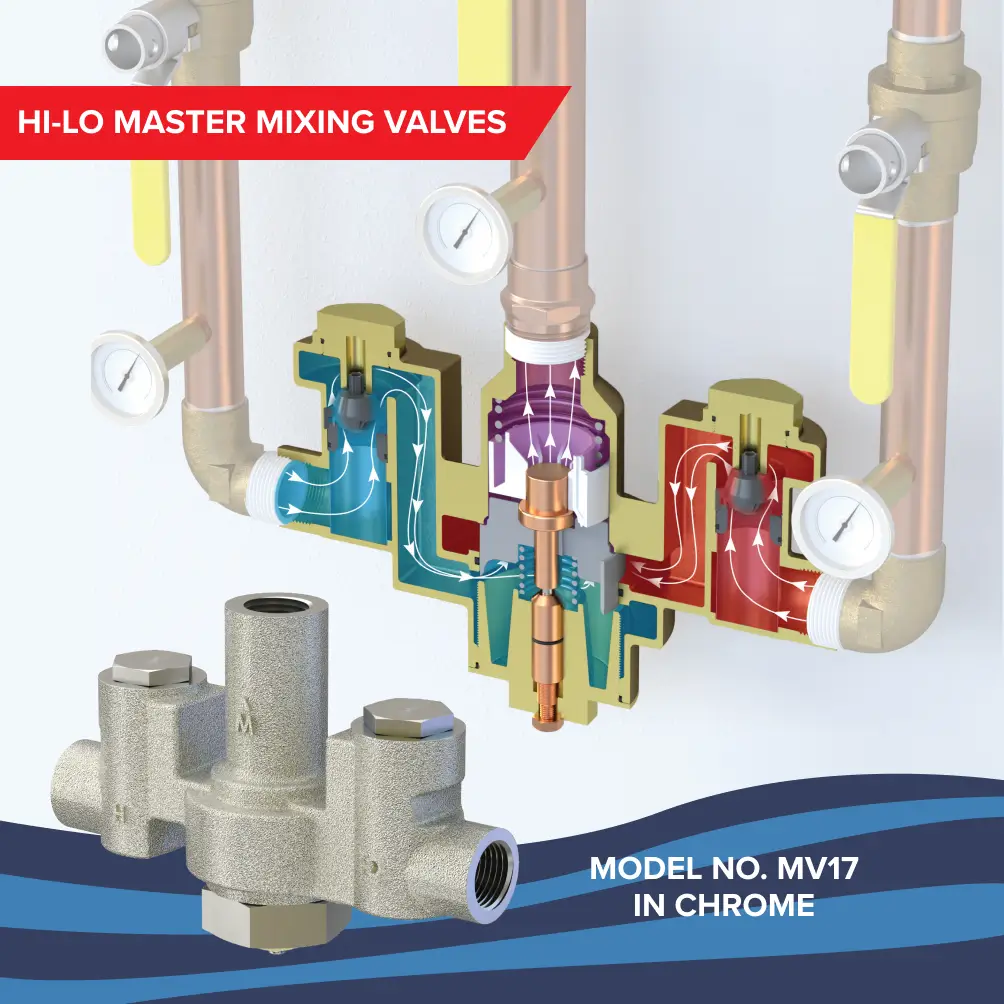
Types of thermostatic mixing valves
Yes, different types of thermostatic mixing valves are available, each designed for specific applications. Some common types of thermostatic mixing valves include:
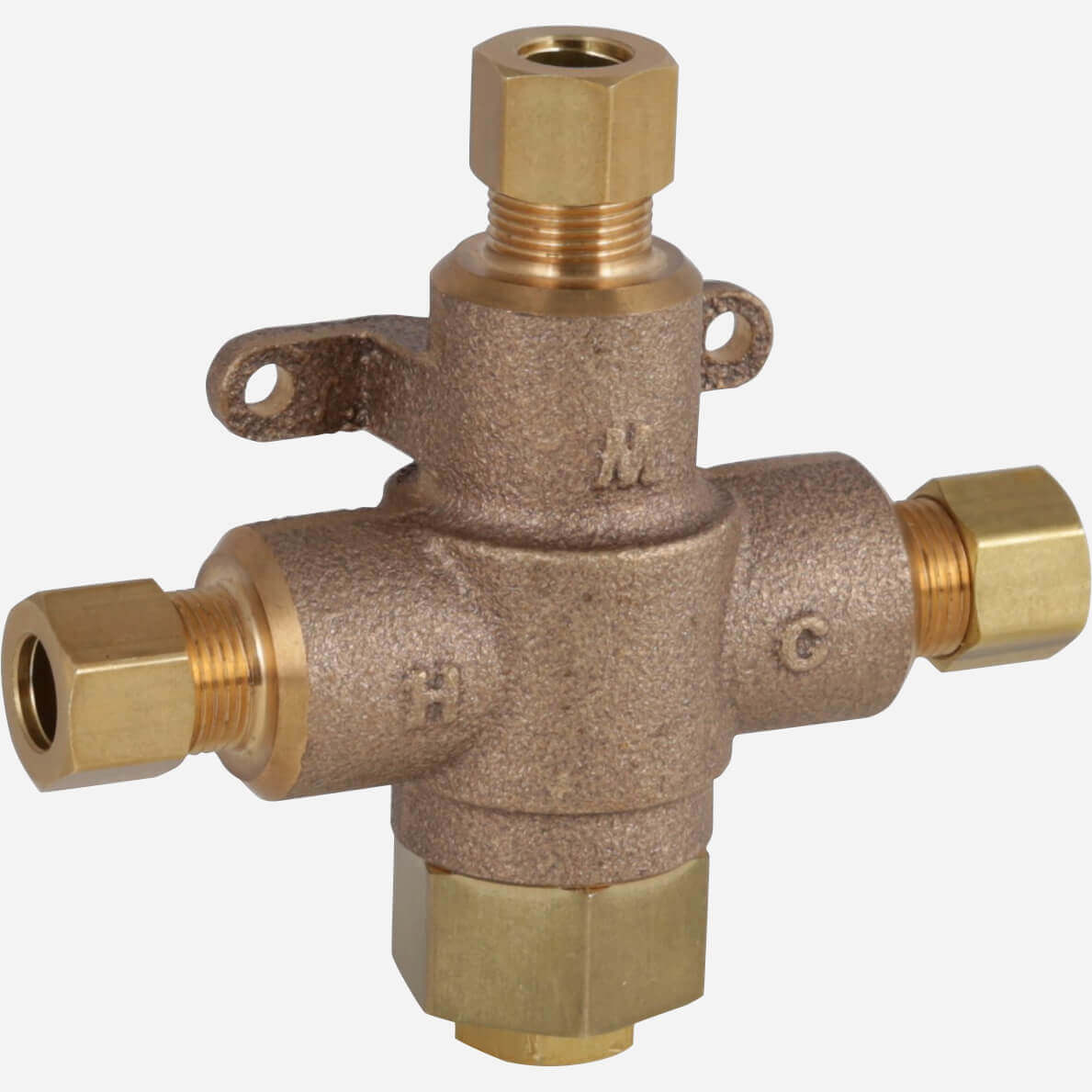
Point-of-use valves
MODEL ST70-38
These are designed for use in a single fixture, such as a sink or shower. They are compact and installed near the fixture they serve.
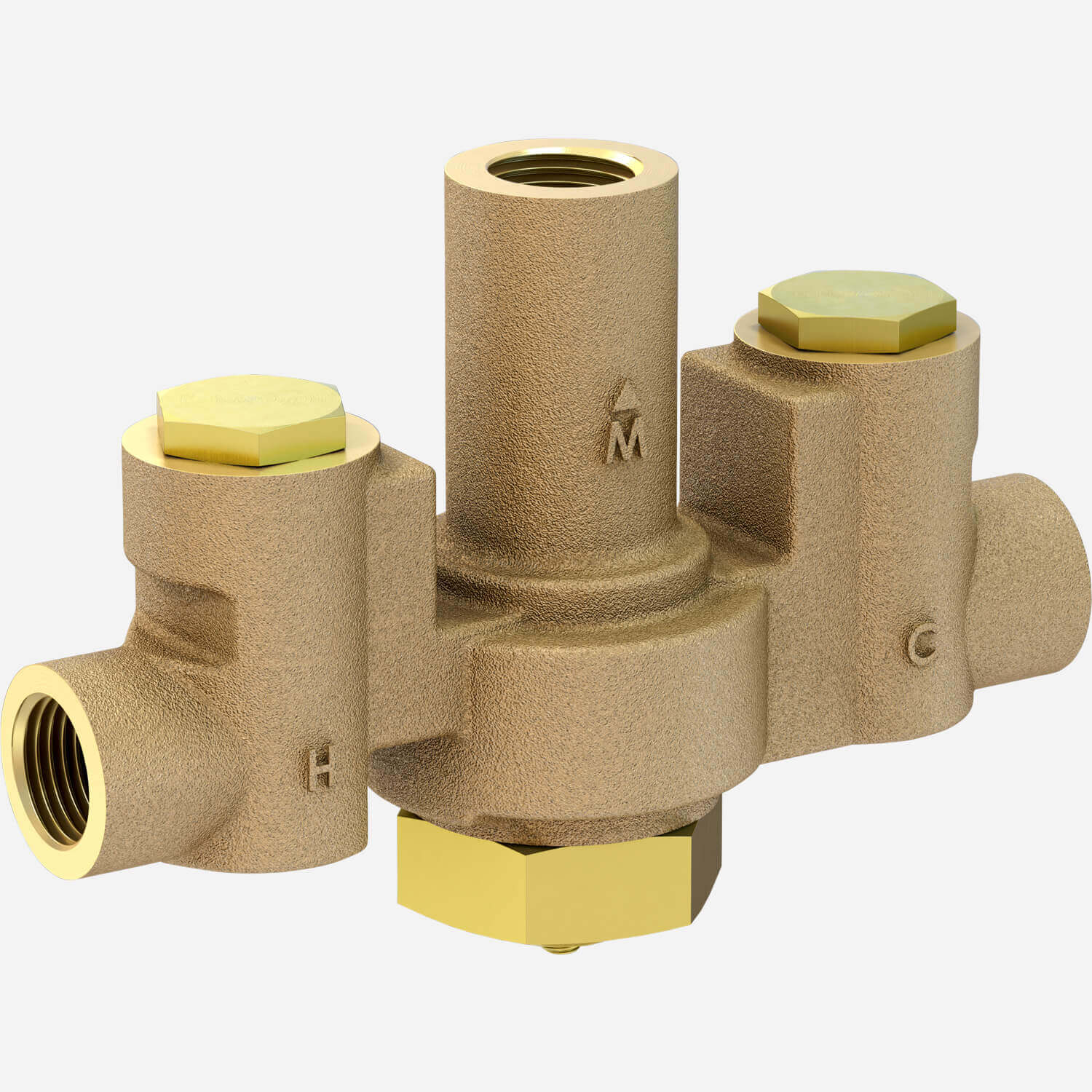
Centralized valves
MODEL SFMV Series
These are installed in a central location and serve multiple fixtures, such as in a commercial building or healthcare facility.
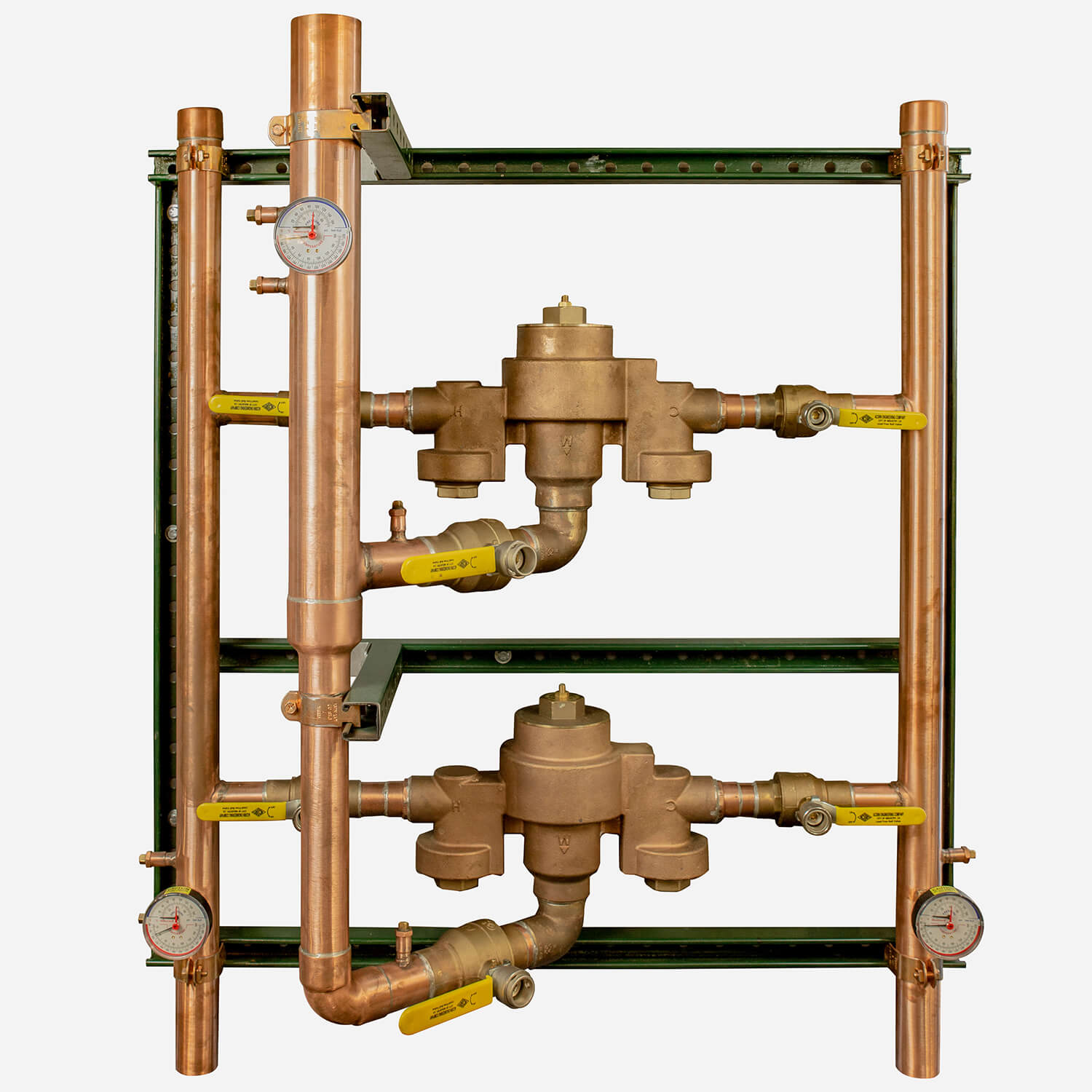
High-flow valves
MODEL SFMMV Series
These are designed for applications where there is a high demand for hot water, such as in a large apartment building or hotel.
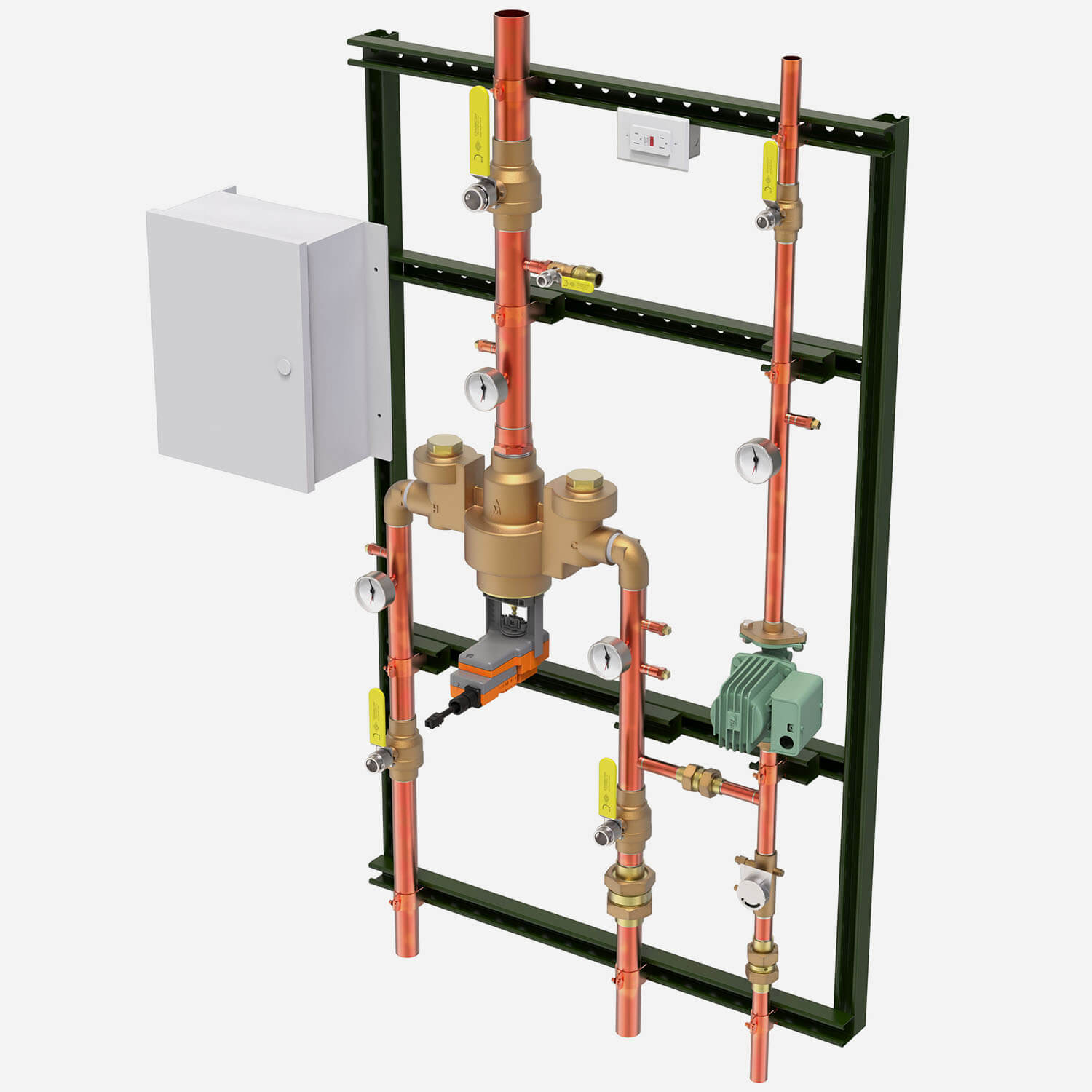
Electronic valves
MODEL ABMV Series
These valves use electronic sensors and controls to regulate the temperature of the water rather than relying on mechanical components.
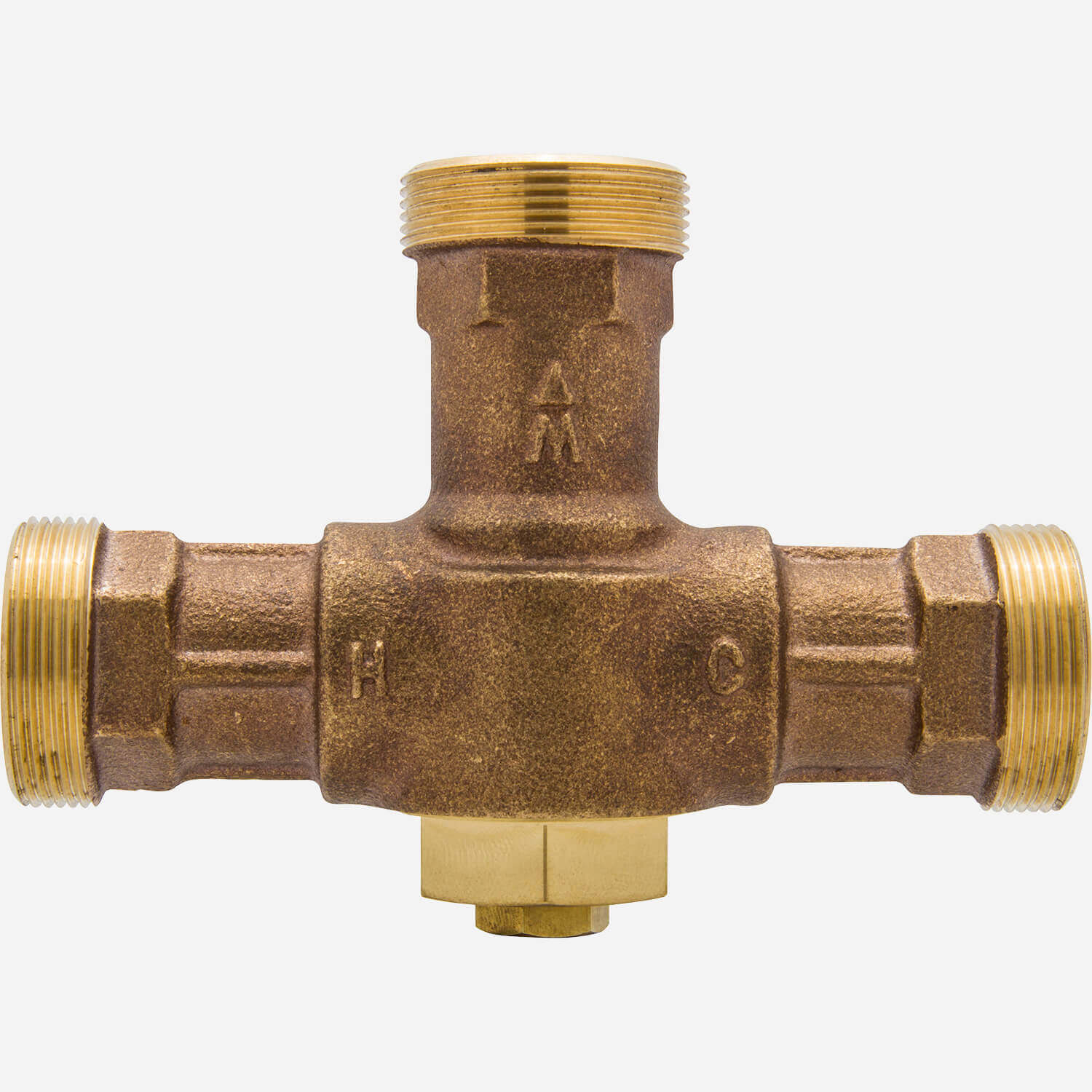
Three-way valves
MODEL ST7017 Series
These valves are used in applications where hot and cold water supplies need to be regulated, such as in a hydronic heating system.
Each type of thermostatic mixing valve has unique features and benefits, and the right type will depend on the specific application and needs of the user.
TMVs in healthcare facilities
Thermostatic mixing valves are commonly used in healthcare facilities to prevent scalding and ensure that hot water is delivered at a safe temperature for patients and staff. Here are some specific examples of where they might be used in a healthcare setting:
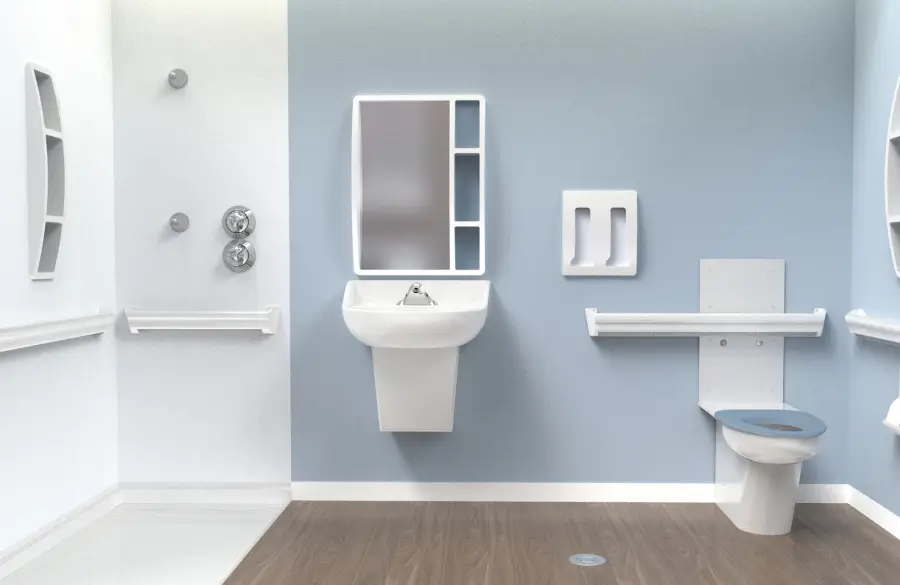
Showers and bathtubs
Thermostatic mixing valves are commonly installed in showers and bathtubs to prevent scalding and ensure the water temperature remains consistent.
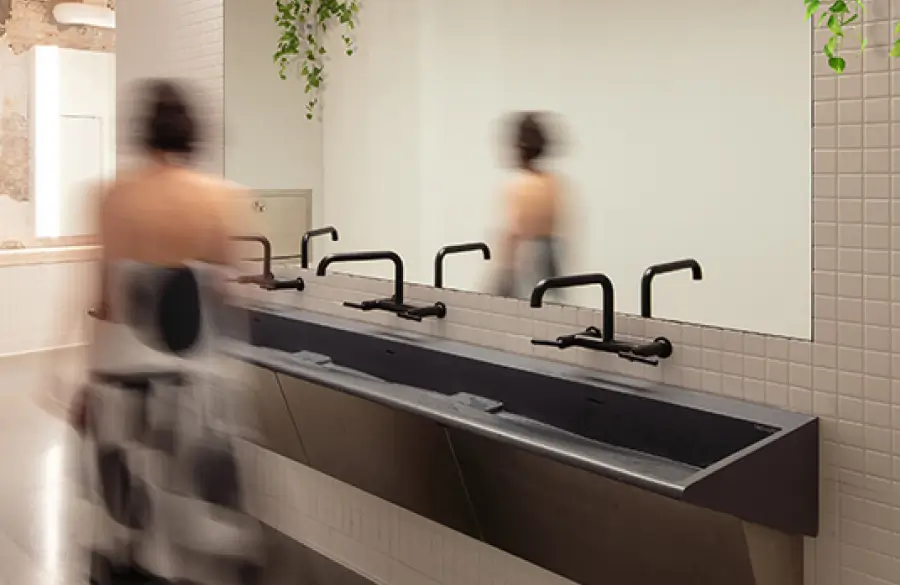
Handwashing stations
Handwashing is critical in healthcare settings to prevent the spread of infections. Thermostatic mixing valves can be installed in handwashing stations to ensure the water is at a safe temperature.

Surgical scrub sinks
Surgeons and other healthcare professionals must thoroughly scrub their hands before surgery. Thermostatic mixing valves can be used to ensure that the water temperature remains consistent and at a safe temperature for scrubbing.
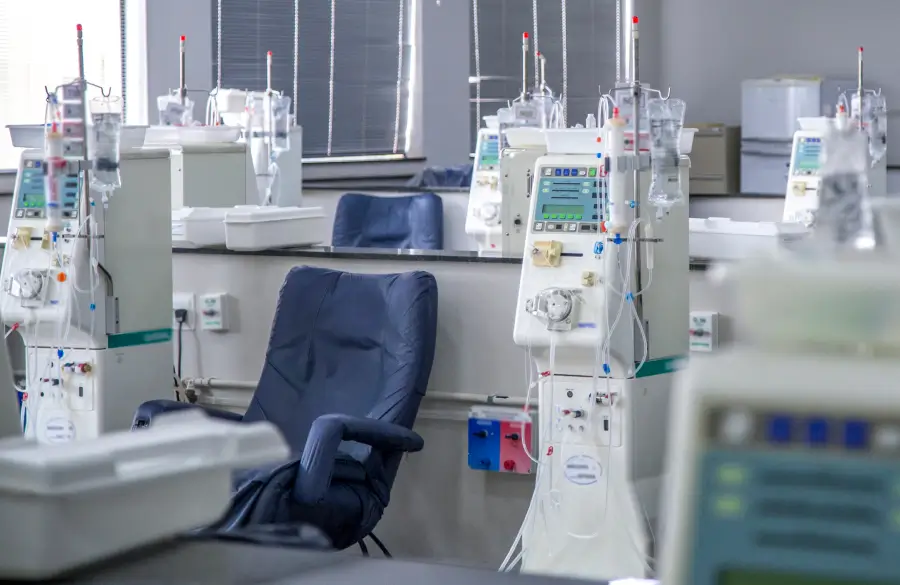
Dialysis equipment
Dialysis equipment requires precise water temperatures to function correctly. Thermostatic mixing valves can be used to regulate the temperature of the water used in dialysis machines.
In healthcare settings, thermostatic mixing valves are an important safety feature that helps to prevent scalding and ensure that water is delivered at a safe temperature for patients and staff.
TMVs in industrial facilities
Thermostatic mixing valves are also commonly used in industrial facilities to regulate water temperature in various applications. Here are some specific examples of where they might be used in an industrial setting:
Process heating and cooling systems
Thermostatic mixing valves can be used to regulate the temperature of water used in process heating and cooling systems, to maintain a consistent temperature and ensure that equipment operates efficiently.
Boilers and water heaters
Thermostatic mixing valves can be used in conjunction with boilers and water heaters to regulate the temperature of hot water delivered to various applications, such as cleaning or manufacturing processes.
Food processing
In food processing, precise temperature control is critical for ensuring product quality and safety. Thermostatic mixing valves can be used to regulate the temperature of water used in various stages of food processing, such as cleaning or cooking.
Water treatment
Thermostatic mixing valves can be used to regulate the temperature of water used in water treatment systems to ensure that chemical treatments are effective and equipment operates efficiently.
Safety showers and eyewash stations
Safety showers and eyewash stations are critical safety equipment in industrial facilities, and thermostatic mixing valves are often used to regulate the water temperature in these applications.
In the case of safety showers, thermostatic mixing valves are used to regulate the temperature of the water to prevent scalding and ensure that the water is delivered at a safe temperature for the individual using the shower. These valves are typically installed at the point of use, near the showerhead, and are designed to maintain a consistent water temperature regardless of changes in the water supply.
For eyewash stations, thermostatic mixing valves can also be used to regulate the temperature of the water, but with slightly different requirements. The water temperature delivered by an eyewash station should be tepid or lukewarm, between 60°F (16°C) and 100°F (38°C), to prevent further injury to the eyes. The thermostatic mixing valve is installed in line with the water supply to the eyewash station.
In both cases, the thermostatic mixing valves are an important safety feature that helps to ensure that the water delivered by the safety shower or eyewash station is at a safe temperature, preventing further injury or discomfort to the individual using the equipment.
In industrial settings, thermostatic mixing valves are essential for regulating water temperature in various applications, ensuring that equipment operates efficiently and product quality and safety are maintained.
Components of thermostatic mixing valves
Thermostatic mixing valves are typically composed of several components that work together to regulate water temperature. Here are the main components of a thermostatic mixing valve:
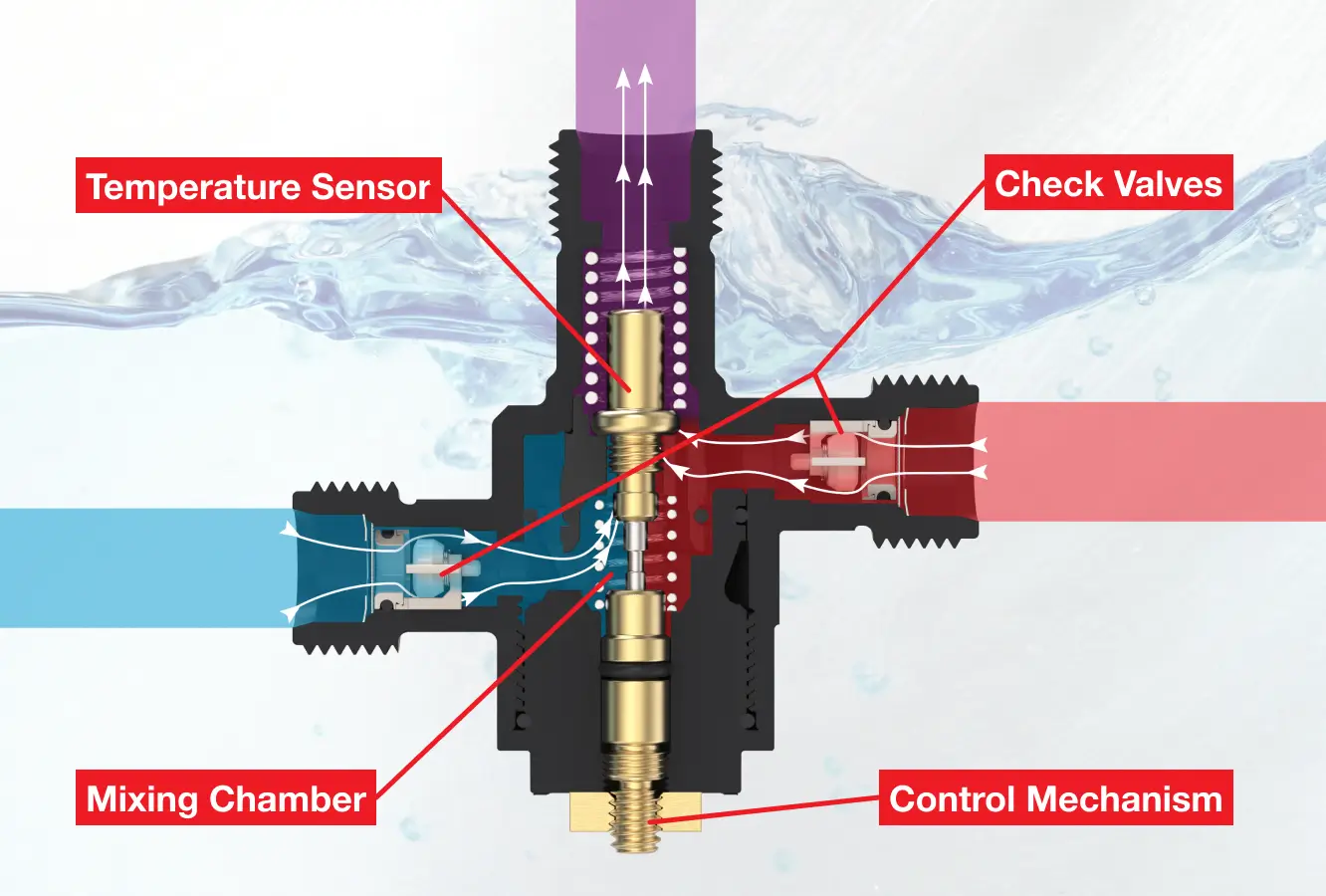
Mixing chamber
This is the part of the valve where the hot and cold water mix to achieve the desired temperature. The mixing chamber is typically made of brass or other metals that can withstand high temperatures.
Temperature sensor
The temperature sensor is typically a wax or liquid-filled element that expands or contracts based on the temperature of the water flowing through the valve. This sensor is connected to the valve's control mechanism and helps regulate hot and cold water flow to achieve the desired temperature.
Control mechanism
The control mechanism regulates the flow of hot and cold water into the mixing chamber based on the temperature sensor's input. This mechanism may be manual or automatic, including features such as a temperature adjustment knob or lockout function to prevent tampering.
Check valves
Check valves are typically included in thermostatic mixing valves to prevent the backflow of hot or cold water into the other supply line. This helps to ensure that the water flowing through the valve remains at the desired temperature and prevents water supply contamination.
Filters
Filters may be included in thermostatic mixing valves to help remove sediment or other impurities from the water supply. This helps to prevent damage to the valve and ensures that the water delivered is clean and safe for use.
By working together, these components help regulate water temperature in various applications and ensure that the water delivered is safe, reliable, and consistent.
What makes one valve better than another?
Several factors can make one thermostatic mixing valve better than another, depending on the application and the user's needs. Here are some key factors to consider when comparing thermostatic mixing valves:
Temperature accuracy and stability
The most critical factor in a thermostatic mixing valve is its ability to deliver water at a consistent temperature, even with fluctuations in the water supply. High-quality valves should maintain a constant temperature within a narrow range to prevent scalding or chilling.
Flow rate
The flow rate of a thermostatic mixing valve is the amount of water it can deliver per minute. The flow rate should match the user's needs and the application to ensure the valve delivers enough water at the desired temperature.
Material quality and durability
The materials used in a thermostatic mixing valve should be high-quality and durable to withstand the application's demands. Brass and stainless steel are common materials used in valves due to their resistance to corrosion and high temperatures.
Ease of installation and maintenance
Good valves should be easy to install and maintain, with clear instructions and accessible parts. Maintenance tasks such as cleaning and lubrication should be straightforward, and replacement parts should be readily available.
Safety features
Thermostatic mixing valves are often used in applications where safety is paramount, such as healthcare and industrial settings. A suitable valve should include safety features such as a lockout function or anti-scald protection to prevent accidents.
Compliance with industry standards
Thermostatic mixing valves should meet relevant industry standards for safety and performance, such as ASSE 1017 or, for emergency equipment, ANSI/ISEA Z358.1.
By considering these factors, users can compare thermostatic mixing valves and choose the one that best meets their needs for temperature control, flow rate, durability, ease of use, safety, and compliance with industry standards.
Benefits of Thermostatic Mixing Valves
Thermostatic mixing valves offer several benefits, including:
Temperature control
TMVs ensure that the water temperature remains constant, which improves comfort and reduces the risk of scalding or burns. They also help to prevent fluctuations in water temperature due to changes in the hot or cold water supply.
Energy efficiency
Thermostatic mixing valves (TMVs) can help to improve energy efficiency in several ways.
First, TMVs can help reduce hot water waste by ensuring water is not overheated. This can be especially important in buildings with significant demand for hot water, such as hotels or hospitals. By ensuring that the water is not overheated, TMVs can help to reduce the energy needed to heat the water and, in turn, reduce energy consumption and costs.
Second, TMVs can help to reduce the energy required to reheat water that has been cooled due to mixing with cold water. Without a TMV, hot water mixed with cold water can be too cool for some applications, requiring the water heater to reheat the water to the desired temperature. This can be an inefficient use of energy. With a TMV, the water is mixed to the desired temperature, reducing the need for the water heater to reheat the water.
Finally, TMVs can help to reduce the amount of hot water used overall. By providing a consistent and comfortable water temperature, TMVs can help reduce users' need to adjust the water temperature excessively. This can help reduce the amount of hot water used and the energy required to heat the water.
Safety
TMVs can improve safety by preventing scalding or burns, which is especially important in healthcare facilities, schools, and residential buildings.
Compliance with regulations
TMVs are often required by local building codes and regulations to ensure safety and prevent scalding. Installing TMVs can help building owners or managers comply with these regulations.
Longevity
TMVs are designed to last for many years with proper maintenance, which can reduce replacement and repair costs over time.
Overall, TMVs offer a range of benefits that can improve user comfort, safety, and efficiency while helping building owners to comply with regulations and reduce costs.
Common Mistakes When Installing and Servicing TMVs
Plumbers can make a few common mistakes when installing or servicing thermostatic mixing valves. Here are some of the biggest mistakes to avoid:
Failure to follow manufacturer guidelines
Thermostatic mixing valves are designed and tested to meet specific safety and performance standards. Therefore, following the manufacturer's installation, maintenance, and repair guidelines is essential to ensure that the valve operates as intended and meets safety requirements.
Improper installation
Thermostatic mixing valves must be installed correctly to ensure they function properly. Common installation mistakes include improper valve orientation, incorrect sizing, and inadequate support.
Poor maintenance
Regular maintenance is critical to ensure that thermostatic mixing valves function properly over time. Neglecting routine maintenance tasks, such as cleaning and lubrication, can result in valve failure and costly repairs.
Misuse of tools and equipment
When servicing thermostatic mixing valves, it's essential to use the correct tools and equipment to avoid damaging the valve or its components. Using the wrong tools or techniques can cause leaks, valve damage, and other issues.
Lack of knowledge
It's essential to have a solid understanding of thermostatic mixing valves and their function before attempting to install or service them. Without proper knowledge and training, plumbers may make mistakes that could compromise the safety and effectiveness of the valve.
By avoiding these common mistakes, plumbers can help ensure that thermostatic mixing valves are installed and serviced correctly, function properly, and provide safe and reliable performance over time.
Common problems when not installed or maintained
If a thermostatic mixing valve (TMV) is not installed or maintained properly, it can lead to a variety of problems, including:
Scalding or burns
If the TMV is not functioning correctly, it may not be able to regulate the temperature of the water, which can lead to water that is too hot and can cause scalding or burns.
Legionella growth
If the water temperature is not maintained at a high enough temperature, it can lead to the growth of Legionella bacteria, which can cause Legionnaires' disease, a severe form of pneumonia.
Water waste
If the TMV is not functioning correctly, it may mix too much hot water with cold water, leading to excessive water waste.
Reduced energy efficiency
If the TMV is not functioning correctly, it may require the water heater to work harder to heat the water to the desired temperature, leading to reduced energy efficiency and higher energy costs.
Non-compliance with regulations
If the TMV is not installed or maintained correctly, it may not comply with local codes and regulations, which can lead to fines or legal action.
In extreme cases, failure to install or maintain a TMV properly can result in severe injury or even death. For this reason, TMVS must be installed, tested, and maintained by qualified professionals per industry standards and regulations.
Look for third-party testing
Thermostatic mixing valves (TMVs) must be tested to ensure they comply with relevant industry standards and regulations. The following are some common tests that are performed to verify the performance and safety of TMVs:
Flow rate testing
This test measures the water flow rate through the valve and ensures that it meets the manufacturer's specifications.
Temperature control testing
This test verifies that the TMV can maintain a consistent water temperature within a certain range, as industry standards specify.
Pressure testing
This test verifies that the TMV can withstand the pressure of the water supply without leaking or malfunctioning.
Thermal shock testing
This test verifies that the TMV can withstand rapid changes in water temperature without leaking or malfunctioning.
Material testing
This test verifies that the materials used to manufacture the TMV are appropriate for the intended application and are durable and long-lasting.
Safety testing
This test verifies that the TMV can prevent scalding or burns by maintaining a safe water temperature.
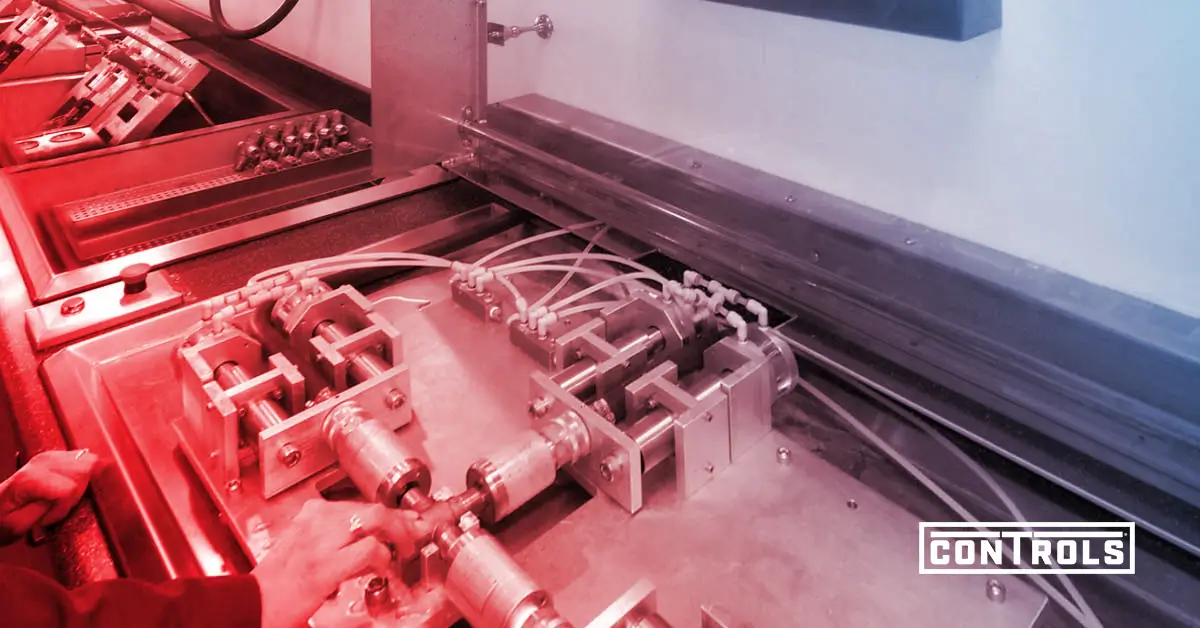
TMVs must be tested by a third-party testing laboratory accredited by a recognized industry organization, such as the International Association of Plumbing and Mechanical Officials (IAPMO) or the Canadian Standards Association (CSA). Testing results are typically documented in a report that provides information on the TMV's performance, safety, and compliance with industry standards and regulations.
NOTE: It is important to note that TMVs must be installed and maintained in accordance with the manufacturer's instructions and industry standards to ensure proper operation and safety.
A few more things you need to know about TMVs
There are several additional factors that plumbing engineers should consider when specifying or designing a plumbing system that includes thermostatic mixing valves (TMVs):
Flow rate and pressure
The flow rate and pressure of the water supply must be sufficient to meet the system's demands, including the demand for hot water at the desired temperature. Plumbing engineers should ensure that the TMV can handle the water supply's expected flow rate and pressure.
Temperature range
The desired temperature range for the water should be specified in accordance with local codes and regulations. The TMV should be selected to provide the desired temperature range and tested to ensure that it can maintain that range under various flow and pressure conditions.
Accessibility
TMVs should be installed in a location that is easily accessible for maintenance and testing. This may include a dedicated room or space that provides easy valve access and associated plumbing access.
Monitoring and maintenance
TMVs should be monitored regularly to ensure that they function correctly and remain in compliance with industry standards and regulations. Regular maintenance, including cleaning and calibration, should be performed to ensure proper operation.
Documentation
Plumbing engineers should keep detailed records of the TMV's installation, testing, and maintenance. This documentation can be used to demonstrate compliance with industry standards and regulations and track the valve's performance over time.
Overall, plumbing engineers should be familiar with the design, installation, testing, and maintenance requirements for TMVs to ensure proper operation, safety, and compliance with industry standards and regulations.
In conclusion, thermostatic mixing valves are essential to modern plumbing systems, providing a reliable and cost-effective means of maintaining safe and consistent water temperatures. Plumbing engineers should be familiar with the design, installation, testing, and maintenance requirements for TMVs to ensure proper operation and compliance with industry standards and regulations. By taking the time to understand the importance of TMVs and how to use them effectively, plumbing engineers can help to ensure that plumbing systems are safe, efficient, and reliable for years to come.